
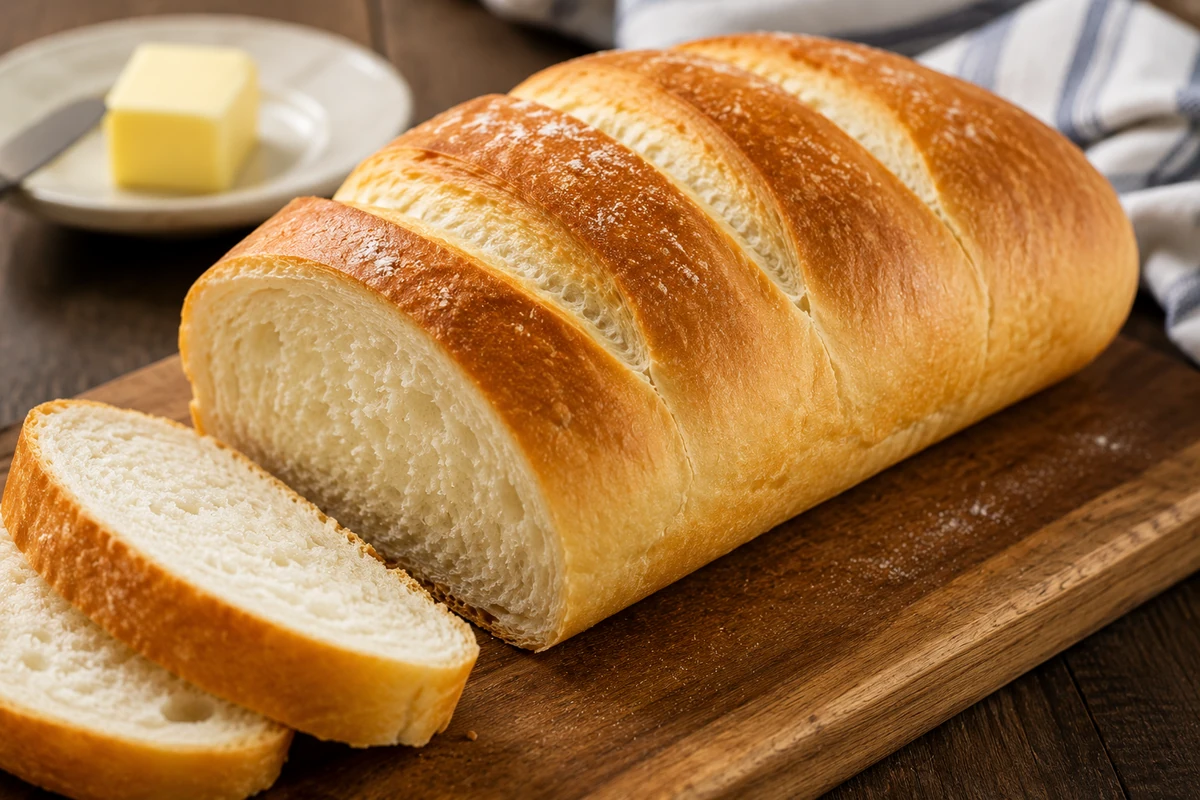
Fresh homemade bread can make any meal feel special. This Soft Homemade French Bread Recipe from Scratch is simple enough for beginners and gives you a delicious loaf with a soft center and lightly golden crust.
You only need a few basic ingredients to make this bread at home. The dough takes some time to rise, but the actual preparation is easy. Once the bread goes into the oven, your kitchen will smell warm and comforting.
This homemade French bread is great for breakfast, sandwiches, soups, dinner, or simply serving with butter. You can also make it ahead and freeze it for later.
Why You Will Love This French Bread
This recipe is a good choice if you are new to bread baking. It does not require complicated techniques or expensive ingredients.
Here are a few reasons to try it:
- Soft and light inside
- Golden crust
- Simple ingredients
- Easy steps for beginners
- Great with soup and dinner
- Delicious with butter
- Perfect for sandwiches
- Easy to freeze
- Made completely from scratch
The key to soft French bread is giving the dough enough time to rise. Good yeast activity helps create a light and airy texture.
Ingredients You Need
For this Soft Homemade French Bread Recipe, you will need:
- 3 ½ cups all-purpose flour
- 1 ¼ cups warm water
- 2 ¼ teaspoons active dry yeast
- 1 tablespoon sugar
- 1 teaspoon salt
- 2 tablespoons olive oil
- 1 tablespoon melted butter, optional
The water should feel warm but not hot. Very hot water can damage the yeast and stop the dough from rising.
You can use bread flour instead of all-purpose flour if you prefer. Bread flour can give the loaf a slightly chewier texture.
How to Make Soft Homemade French Bread
1. Prepare the Yeast
Pour the warm water into a large mixing bowl.
Add the sugar and active dry yeast. Stir gently and let the mixture sit for about 5 to 10 minutes.
The mixture should become slightly foamy.
This shows that the yeast is active and ready to help the bread rise.
If the mixture does not foam, check that your yeast is still fresh and that the water was not too hot.
2. Add the Olive Oil and Salt
Once the yeast becomes foamy, add the olive oil and salt.
Stir gently to combine.
Adding the oil gives the bread a softer texture, while the salt adds flavor.
3. Add the Flour
Start by adding about 2 cups of flour to the bowl.
Mix with a wooden spoon or spatula until the flour is mostly incorporated.
Add the remaining flour gradually.
You may not need every last bit of flour. The dough should be soft and slightly sticky, but it should not be wet.
Avoid adding too much flour because a very dry dough can produce heavy bread.
Knead the Dough
4. Knead by Hand
Transfer the dough to a lightly floured surface.
Knead the dough for about 8 to 10 minutes.
Push the dough forward with the palm of your hand, fold it back, and turn it slightly. Continue repeating these movements until the dough becomes smooth and elastic.
If the dough sticks strongly to your hands, add a small amount of flour.
Try not to add too much flour. A slightly soft dough usually creates a better texture after baking.
You can also use a stand mixer with a dough hook if you have one.
Let the Dough Rise
5. First Rise
Place the kneaded dough in a lightly greased bowl.
Turn the dough once so its surface has a light coating of oil.
Cover the bowl with a clean kitchen towel or plastic wrap.
Place the bowl in a warm area and let the dough rise for about 1 to 1½ hours.
The dough should become about twice its original size.
The exact time depends on the temperature of your kitchen. A cooler room may require more time.
Do not worry if the dough rises slowly. Give it enough time to become light and puffy.
Shape the French Bread
6. Remove Excess Air
Once the dough has doubled in size, gently press it down to release some of the larger air bubbles.
Do not knead it heavily again.
Place the dough on a lightly floured surface.
7. Shape the Loaf
Gently stretch the dough into a long rectangle.
Starting from one long side, roll the dough tightly into a long loaf.
Pinch the seam closed with your fingers.
Place the loaf seam-side down on a baking sheet lined with parchment paper.
You can make one large loaf or divide the dough into two smaller loaves.
Smaller loaves may bake a little faster, so keep an eye on them in the oven.
Let the Bread Rise Again
8. Second Rise
Cover the shaped loaf with a clean kitchen towel.
Let it rest for about 30 to 45 minutes.
The loaf should look slightly larger and puffy.
While the dough is rising, preheat your oven to 400°F (200°C).
The second rise helps create a lighter texture and prevents the finished bread from becoming too dense.
9. Make Small Cuts
Before baking, use a sharp knife to make a few shallow diagonal cuts across the top of the loaf.
Do not cut too deeply.
These small cuts allow the bread to expand while baking and also give the loaf a classic French bread appearance.
Bake the French Bread
10. Bake Until Golden
Place the baking sheet in the preheated oven.
Bake for about 22 to 28 minutes, depending on the size of your loaf.
The bread should become golden brown on top.
The bottom should sound slightly hollow when tapped gently.
If the top browns too quickly, you can loosely cover it with foil during the final few minutes.
11. Brush with Butter
If you want a slightly softer and richer crust, brush the hot bread with a little melted butter after removing it from the oven.
You can skip this step if you prefer a more traditional crust.
12. Let the Bread Cool
Place the baked bread on a wire rack.
Let it cool for at least 30 minutes before slicing.
Fresh bread continues to set as it cools. Cutting it too early can make the inside look gummy.
Tips for Soft Homemade French Bread
Use Fresh Yeast
Fresh, active yeast is important for good bread. If your yeast does not foam during the first step, it may not work properly.
Use Warm Water
The water should be warm enough to activate the yeast but not hot.
Very hot water can damage the yeast.
Do Not Add Too Much Flour
A common beginner mistake is adding too much flour.
The dough should feel soft and slightly tacky. Too much flour can make the bread dense.
Knead Until Smooth
Proper kneading helps develop gluten.
The dough should become smoother and more elastic as you knead it.
Give the Dough Enough Time
Bread needs time to rise. Do not rush the process just because the recipe gives an estimated time.
Watch the dough rather than relying only on the clock.
Cool Before Slicing
Let the loaf cool before cutting it.
This helps the inside finish setting and makes it easier to get clean slices.
Easy French Bread Variations
You can change this basic recipe in several simple ways.
Garlic French Bread
Mix melted butter with minced garlic and brush it over the warm loaf.
You can also add dried parsley for extra flavor.
Herb French Bread
Add dried rosemary, oregano, or Italian herbs to the dough.
These herbs pair especially well with soups and pasta dishes.
Cheesy French Bread
Sprinkle shredded cheese over the loaf during the final few minutes of baking.
You can use mozzarella, cheddar, or another cheese you enjoy.
Sesame French Bread
Sprinkle sesame seeds over the top before baking.
Lightly brushing the dough with water can help the seeds stick.
How to Store French Bread
Allow the bread to cool completely before storing it.
Place it in a bread bag or airtight container and keep it at room temperature.
For the best texture, enjoy homemade French bread within 2 to 3 days.
Avoid storing it in the refrigerator unless necessary because refrigeration can make bread lose its softness more quickly.
If the bread becomes slightly stale, you can warm it in the oven for a few minutes to refresh the crust.
Can You Freeze Homemade French Bread?
Yes, homemade French bread freezes well.
Let the loaf cool completely.
Wrap it tightly in plastic wrap or foil, then place it inside a freezer-safe bag.
You can freeze the whole loaf or slice it before freezing.
If you slice the bread first, you can take out only the amount you need.
Let a whole loaf thaw at room temperature before warming it in the oven.
How to Serve French Bread
This homemade bread is very versatile.
You can serve it with:
- Butter
- Garlic butter
- Jam
- Honey
- Cheese
- Soup
- Pasta
- Salad
- Scrambled eggs
For breakfast, toast a few slices and add butter or jam.
For dinner, serve warm slices alongside soup or pasta.
You can also use the bread to make sandwiches or garlic bread.
Frequently Asked Questions
Why is my French bread dense?
Too much flour, insufficient kneading, inactive yeast, or not enough rising time can make bread dense. Keep the dough soft and give it enough time to rise.
Can I use instant yeast?
Yes. Instant yeast works well for this recipe. You can mix it directly with the flour, although you can also dissolve it in warm water first.
Can I make this bread without a stand mixer?
Absolutely. Kneading by hand works very well. You only need a clean work surface and a little patience.
Why did my bread not rise?
The yeast may be inactive, the water may have been too hot, or the room may be too cold. Give the dough additional time in a warm place.
Can I make two small loaves?
Yes. Divide the dough into two equal portions and shape each one into a smaller loaf. Watch the baking time because smaller loaves may finish sooner.
How can I make the crust softer?
Brush the warm loaf with melted butter after baking. This adds flavor and helps soften the crust.
Final Thoughts
This Soft Homemade French Bread Recipe from Scratch is a simple way to enjoy fresh bread without complicated techniques. The ingredients are basic, and the process becomes easier once you understand how yeast, kneading, and rising work.
For the best results, use active yeast, keep the dough soft, avoid adding too much flour, and allow enough time for both rises.
You can enjoy the finished bread with butter, soup, pasta, eggs, or your favorite spread. You can also turn it into garlic bread or add herbs and cheese for a different flavor.
Once you make this recipe successfully, homemade bread will feel much less difficult. With a little practice, you can make a soft, golden loaf whenever you want a fresh homemade treat.
Easy Chocolate Fudge Cake Recipe | Homemade Cake
USDA Food Safety and Inspection Service